

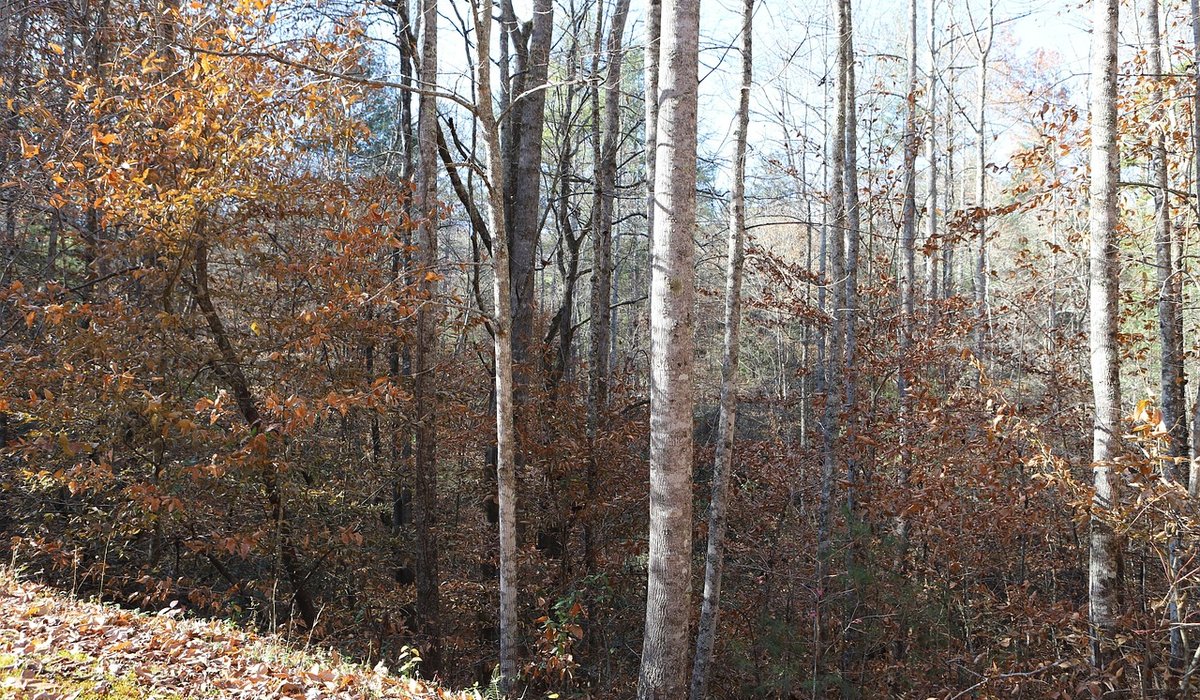
A third of an acre, or even a modest back garden with a few mature trees, can hold more birdlife than a tidy acre of open lawn. What matters is structure: canopy, understorey, shrubby edges and a litter layer beneath. Birds need somewhere to shelter, somewhere to nest, and a dependable supply of food within easy reach of cover. Get those three right and the garden becomes a genuine habitat rather than a feeding station surrounded by paving.
The encouraging news for anyone gardening on a small plot is that native and near-native trees and shrubs do most of the heavy lifting. A single rowan or crab apple in a border, backed by a dense mixed hedge, will draw in far more species than a dozen hanging feeders on their own.
Berries are the most valuable autumn and winter larder you can provide, and the trick is to spread the harvest across as many weeks as possible. Plant a mix rather than a single species so the crop is not stripped in one October fortnight.
Where space allows, plant in loose groups of three rather than single specimens, and keep berried shrubs close to a hedge or fence so birds can retreat quickly. If you have heavy clay, fork in a little well-rotted organic matter before planting, and mulch afterwards to keep weeds down. Bare-root plants bought between November and March settle in fastest and cost far less than container-grown stock.
Resist the urge to cut everything back in October. Seed heads are food, shelter and structure in one, and a frosted teasel head is as handsome as anything you could plant deliberately. Teasel, knapweed, globe thistle, sunflower, rudbeckia, sedum, fennel and honesty all hold their form and their seed well into the new year, and goldfinches will work through them methodically on the coldest mornings.
Pair the seed heads with a lighter approach to leaf litter. A few piles of leaves left under shrubs will harbour the insects and grubs that blackbirds, robins and wrens depend on through winter. Cut stems back to about 15–20 centimetres in late February or early March – late enough to have fed the birds, early enough for the new growth to come away cleanly. If you have hollow-stemmed plants such as teasel or fennel, bundle a few cut stems and tuck them into a quiet corner as ready-made insect lodgings.
Water is the most overlooked element in British gardens, and it does not require a pond. A shallow dish just 2–5 centimetres deep is enough for drinking and bathing, provided it has gently sloping sides and a rough, grippy surface so birds can get a secure footing. Glazed saucers and steep-sided bowls are best avoided.
Place the dish within a metre or so of dense shrubbery, but with a clear line of sight so birds can watch for cats while they bathe. Refresh it daily in warm spells, and in winter keep it ice-free – pouring boiling water over frozen water risks cracking the container, so use tepid water from the kettle instead. Scrub the dish every week or so, as dirty water spreads disease quickly where birds gather.
Nothing you can buy will match a living hedge for nesting sites. Aim for something roughly 1.5–2 metres tall and at least 60 centimetres thick, with a mix of species so there is always cover at different heights. Hawthorn, blackthorn, holly, yew, beech, hornbeam and privet all work well, and a thorny hedge is a genuine deterrent to predators.
The critical rule is timing. Do not cut hedges between March and August, when nests are in use. Trim in late August or, better still, in winter, and cut on a rotation – one face or section each year – so there is always a portion carrying berries and dense growth. If you have prunings, stack them loosely out of the way as a dead hedge; wrens and dunnocks will move straight in.
Plant bare-root trees and shrubs from November to March. Leave ivy alone unless it is swamping a wall you value. In summer, skip chemical sprays and slug pellets – both harm the insects and seeds birds rely on, and pellets in particular have been linked to poisoning in thrushes and hedgehogs. Top up the water dish, deadhead nothing, and let a patch of grass grow long at the back of the border. Come autumn, plant more berries rather than tidying too hard, and by the first hard frost your small woodland garden will be busy with birds from dawn.

The Maplebirch An honest, everyday look at the things that make life a little better — with advice you can actually use.

The Maplebirch Simple, genuine and looked after with care — the kind of place worth returning to.

Check stakes, water deeply during dry spells and clear competing weeds. A spring mulch helps young trees establish before summer heat.

Comments
ALina Kelian
19th May 2018 ReplyThe Maplebirch Simple, genuine and looked after with care — the kind of place worth returning to. ullamco laboris nisi ut aliquip ex ea commodo consequat.
Rlex Kelian
19th May 2018 ReplyThe Maplebirch Written for people who value the details, and want honest guidance they can trust. ullamco laboris nisi ut aliquip commodo.
Roboto Alex
21th May 2018 ReplyThe Maplebirch An honest, everyday look at the things that make life a little better — with advice you can actually use. ullamco laboris nisi ut aliquip ex ea commodo consequat.