

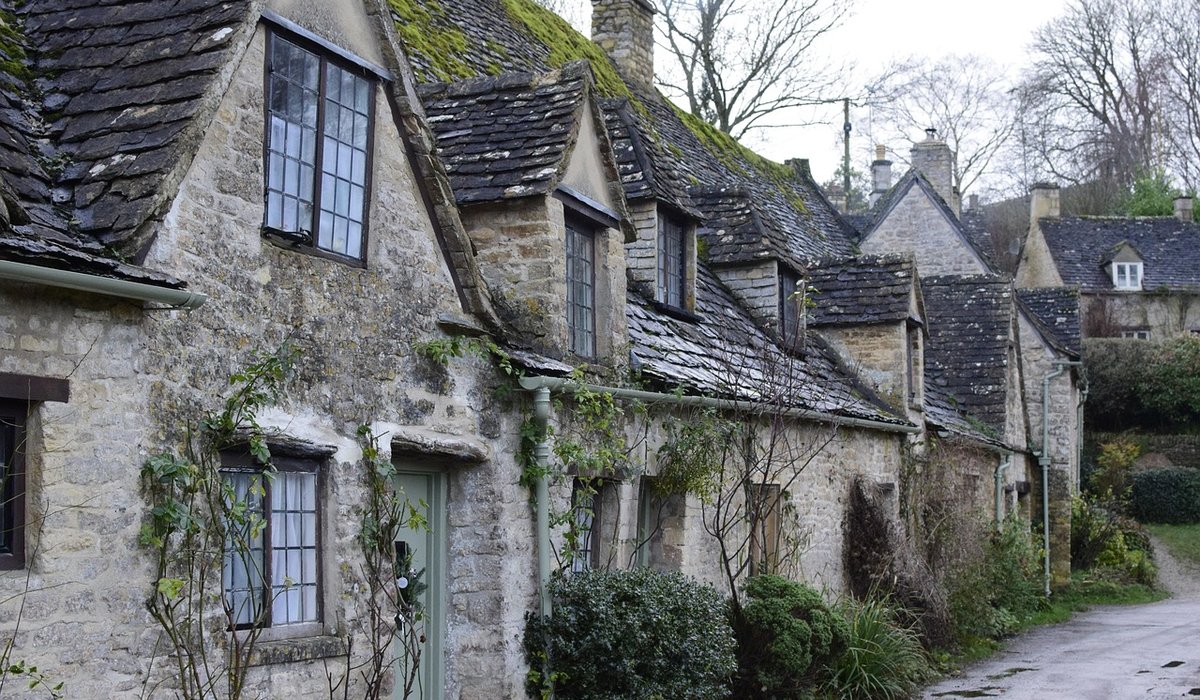
British gardens are often modest in size, but that need not rule out planting a maple. The trick is to match the tree to the space, soil and shelter you actually have, rather than the one you wish you had. Field maples are forgiving and compact enough for many small plots; Japanese maples are exquisite but demand a sheltered corner. Compare size, soil and autumn colour before you buy, and you will end up with a tree that earns its keep for decades.
Acer campestre is our only native maple. In the wild it can reach 10–15m, but in a garden it is easily kept to 4–6m, and it responds well to pruning. It can even be grown as a hedge or pleached screen. It tolerates clay, chalk, wind and exposed sites, making it ideal for new-build gardens and open positions. Leaves are small and rounded, turning buttery gold in autumn. Insignificant green flowers in spring are followed by winged seeds. Wildlife value is high: aphids, moths and birds all make use of it. It is not fussy about pH, though it prefers moist but well-drained soil. Plant bare root between November and March, and prune in late summer to avoid bleeding.
Acer palmatum and Acer japonicum are woodland plants from Japan and Korea. They naturally grow under larger trees, so they need dappled shade and shelter from cold, drying winds and late frost. A south-facing wall can be too hot and dry; an east-facing spot with morning sun and afternoon shade is often better. They are slow-growing, usually 1.5–3m after 10–15 years, so they suit courtyards and small borders. Soil must be moist but well-drained, slightly acidic to neutral. On shallow chalk or heavy clay, grow in a container or raise the planting area with compost and grit. Autumn colour ranges from crimson and orange to gold, depending on cultivar. ‘Bloodgood’ holds deep burgundy leaves; ‘Sango-kaku’ has coral bark and golden autumn colour.
Field maple is the more tolerant of the two. It will cope with clay and chalk, but it grows best in deep, moist, well-drained soil. If your soil is heavy, plant slightly proud of the surrounding ground and mulch with well-rotted compost, keeping mulch clear of the trunk. Japanese maples hate waterlogging and drought in equal measure. They also dislike very alkaline soil, which can cause yellow leaves. For these, improve the planting hole with leaf mould or ericaceous compost, and water regularly for the first two years. A sheltered, north- or east-facing border is often ideal. In exposed gardens, choose a compact field maple or grow a Japanese maple in a large pot that can be moved under cover for winter.
Autumn is when maples earn their reputation, but the best choice depends on what you want. Field maple gives a reliable, gentle golden-yellow, often with a hint of orange. It is a good backdrop for ferns, hellebores and snowdrops in a woodland-style border. Japanese maples offer more intense, varied colour: scarlet, crimson, purple and gold, sometimes on the same tree. They also bring delicate spring leaves and, in some cultivars, striking bark. If space is tight, consider paperbark maple (Acer griseum), which has cinnamon peeling bark and red autumn colour, or snakebark maple (Acer davidii) for striped stems. Both are smaller than Norway maple and fit a modest garden.
Buy from a reputable nursery or specialist grower, and check the roots and graft union. For field maple, bare-root plants are cheaper and establish well if planted between November and March. For Japanese maples, container-grown plants can be planted at most times, but avoid frozen or waterlogged ground. Choose a plant with a clear single leader and healthy leaves. After planting, water thoroughly, mulch, and stake only if the site is windy. Prune maples in late summer or early autumn, as they bleed sap if cut in late winter or spring. Remove dead, damaged or crossing branches, but keep pruning minimal. Watch for aphids on young growth and for verticillium wilt, which causes sudden wilting. With the right site and a little care, a maple will reward you with structure, shade and unforgettable autumn colour.

The Maplebirch An honest, everyday look at the things that make life a little better — with advice you can actually use.

The Maplebirch Simple, genuine and looked after with care — the kind of place worth returning to.

Birch sap rises early, so prune in late summer to reduce bleeding. Remove dead wood and crossing branches with clean sharp tools.

Comments
ALina Kelian
19th May 2018 ReplyThe Maplebirch Simple, genuine and looked after with care — the kind of place worth returning to. ullamco laboris nisi ut aliquip ex ea commodo consequat.
Rlex Kelian
19th May 2018 ReplyThe Maplebirch Written for people who value the details, and want honest guidance they can trust. ullamco laboris nisi ut aliquip commodo.
Roboto Alex
21th May 2018 ReplyThe Maplebirch An honest, everyday look at the things that make life a little better — with advice you can actually use. ullamco laboris nisi ut aliquip ex ea commodo consequat.