

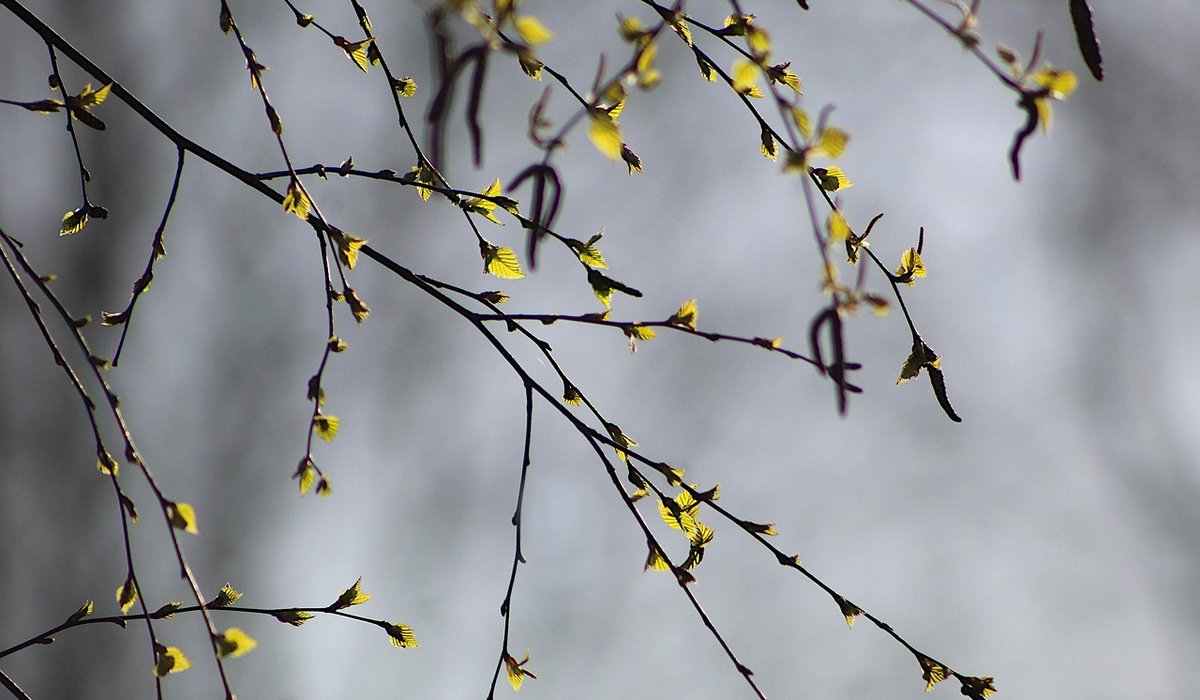
Field maple (Acer campestre) is the only maple native to Britain, and it is quietly one of the most useful trees you can plant. It tolerates heavy clay, shrugs off wind and pollution, and turns a soft buttery yellow in autumn that lifts a dull October afternoon. Young shoots even carry corky ridges that catch the low winter sun.
The trouble is that field maple is so obliging that many gardeners simply leave it alone. Left unpruned, it can become a dense, twiggy thicket with crossing limbs and a congested centre where disease gathers. A modest amount of careful pruning in late winter will give you a tree with a clean frame, better airflow and a far longer life.
Aim to prune between mid-February and early March, while the tree is still dormant but the worst of the frost has passed. At that point the structure of the tree is easy to read without leaves, and the wounds you make will begin sealing over as growth starts.
Light tidying – a dead twig or a rubbing shoot – can be done at almost any time, but keep the serious structural work to that late-winter window.
Good pruning is mostly about sharp tools and a clear head. Blunt blades crush the cambium and leave a ragged wound that takes far longer to heal.
Wear gloves and eye protection, and never use an anvil-type tool on living wood if you can avoid it. If you have been working on a diseased tree, wipe your blades with methylated spirit before moving on to the next plant.
If you have planted a young field maple, the first five to ten years are when you can shape it almost any way you like. Decide what you want: a standard tree with a clear stem of around 1.5 to 2 metres, or a multi-stemmed specimen that reads more like a large shrub.
For a single-stemmed tree, keep one strong leader and remove any shoot that competes with it, shortening rivals back by about a third to a well-placed outward bud. Then choose five to eight scaffold branches, spaced roughly 20 to 30 centimetres apart around the trunk so they spiral upwards rather than bunching on one side.
Once your field maple is mature, the job changes from training to maintenance. Start with what foresters call the three Ds: dead, diseased and damaged wood. Work through them before you touch anything else.
Next, look for rubbing and crossing branches. Two limbs grinding together strip bark and open a doorway for infection. Take out the weaker, badly placed one of the pair, cutting back to a suitable side branch or the trunk.
Then thin crowded growth, particularly in the centre of the crown. Field maple naturally forms a dense head, and thinning lets light and air move through, which discourages mildew and reduces the wind resistance that can twist a tree in a gale. Remove up to a quarter of the leaf-bearing canopy in a single year, and rather less on an old tree that is growing slowly.
Where you can, take whole branches out rather than tipping everything back. Shortening every shoot simply triggers a nest of twiggy regrowth that makes the tree denser than before. Also rub out epicormic shoots sprouting from the trunk and any suckers appearing at the base.
Make every cut just outside the branch bark ridge, without leaving a stub and without cutting flush. For a heavy limb, use the three-cut method: a shallow undercut, a top cut further out, then the final cut back at the collar.
Field maple makes a splendid native hedge, and it responds to clipping with dense, leafy growth. Trim in late winter while dormant, and taper the sides so the base is slightly wider than the top – that way light reaches the lower branches and the hedge does not go bare at the bottom. If a hedge has become leggy and hollow, cut it back hard in late winter and it will regrow willingly.
For a multi-stemmed garden tree, select three to five well-spaced stems at planting and remove the rest, then treat each stem as you would a young leader. Field maple also coppices and pollards happily if you want a smaller, bushier tree for a compact plot.
Finish by clearing the ground around the base and mulching with well-rotted organic matter, keeping it clear of the trunk. Water well through the first two summers. Do not paint the wounds – modern advice is to leave them to seal naturally. Prune patiently, and your field maple will give you shape, shade and autumn colour for decades.

The Maplebirch An honest, everyday look at the things that make life a little better — with advice you can actually use.

The Maplebirch Simple, genuine and looked after with care — the kind of place worth returning to.

Plant berry-bearing shrubs, leave seed heads and add a shallow water dish. Dense hedges give birds safe nesting sites throughout the year.

Comments
ALina Kelian
19th May 2018 ReplyThe Maplebirch Simple, genuine and looked after with care — the kind of place worth returning to. ullamco laboris nisi ut aliquip ex ea commodo consequat.
Rlex Kelian
19th May 2018 ReplyThe Maplebirch Written for people who value the details, and want honest guidance they can trust. ullamco laboris nisi ut aliquip commodo.
Roboto Alex
21th May 2018 ReplyThe Maplebirch An honest, everyday look at the things that make life a little better — with advice you can actually use. ullamco laboris nisi ut aliquip ex ea commodo consequat.