

If you garden on clay, you already know the rhythm of it. Winter brings a soil that clings to your boots and refuses to drain; summer bakes it into something you could make pots from. Digging it in the wrong month can wreck the structure for years. And yet clay is also rich in nutrients and holds moisture through dry spells, which is why the best clay gardens are often more lush than their sandy neighbours.
The trick is choosing trees that evolved on heavy ground in the first place. Several of our native small trees do exactly that. Once established, they will send roots through the cracks and channels of clay rather than fighting it, and after two or three seasons they largely look after themselves.
Hawthorn (Crataegus monogyna) is about as tough as a British tree gets. It grows naturally on heavy pasture and scrubby roadside banks, handles wind, and will sit happily in a garden of modest size if you keep it to a single trunk. Expect roughly 4–6 metres eventually, with creamy May blossom, deep red haws into autumn, and a dense canopy that birds adore. It also clips beautifully, so you can hold it at 2.5 metres if you prefer.
Field maple (Acer campestre) is the quiet hero of clay gardens. It is our only native maple, tolerant of clay, chalk and everything between, and it turns a soft butter-yellow in October. Left alone it will reach 8–10 metres, but it responds well to being cut back hard in late winter, so a garden specimen can be kept at 4–5 metres without sulking. Young stems have corky ridges that add winter interest.
Rowan (Sorbus aucuparia) does better on clay than most people expect, provided the drainage is improved at planting. It is narrow and upright, which suits small gardens, with feathery leaves, white spring blossom and bright scarlet berries in late summer. Autumn colour is a good red-orange. A rowan will reach around 8 metres in time, but its slim footprint means it rarely feels oppressive.
The single biggest mistake on clay is digging a large, deep pit and filling it with soft compost. That creates a sump: water drains in from the surrounding clay and sits in the lovely loose material, and the roots rot. Keep the preparation narrow and shallow, and improve the soil you put back.
Plant bare-root trees between November and March, when the ground is workable but not frozen or sodden. Container-grown trees can go in almost any time, though autumn remains best on clay.
Look for the nursery soil line — the darker mark on the trunk where the tree was previously planted. It should end up at exactly the same level as the finished soil surface, no deeper. Planting too deep is the most common reason young trees on clay decline slowly over a season or two. If you bury the root flare, water and air cannot reach the roots properly and the bark below ground can rot.
Firm the tree in gently with your heel in stages, then water it thoroughly, even in winter. Stake only if the site is windy, and use a short stake that allows the trunk to flex; a rigidly tied tree develops a weaker root system.
Mulch in a ring 8–10 cm deep, keeping it clear of the trunk by a hand's width. Bark mulch, composted bark or leafmould all work well. In the first two summers, water deeply once a week during dry spells rather than little and often — a slow soak encourages roots downwards into the clay.
If none of the three above quite fits, a few others earn their place on heavy ground.
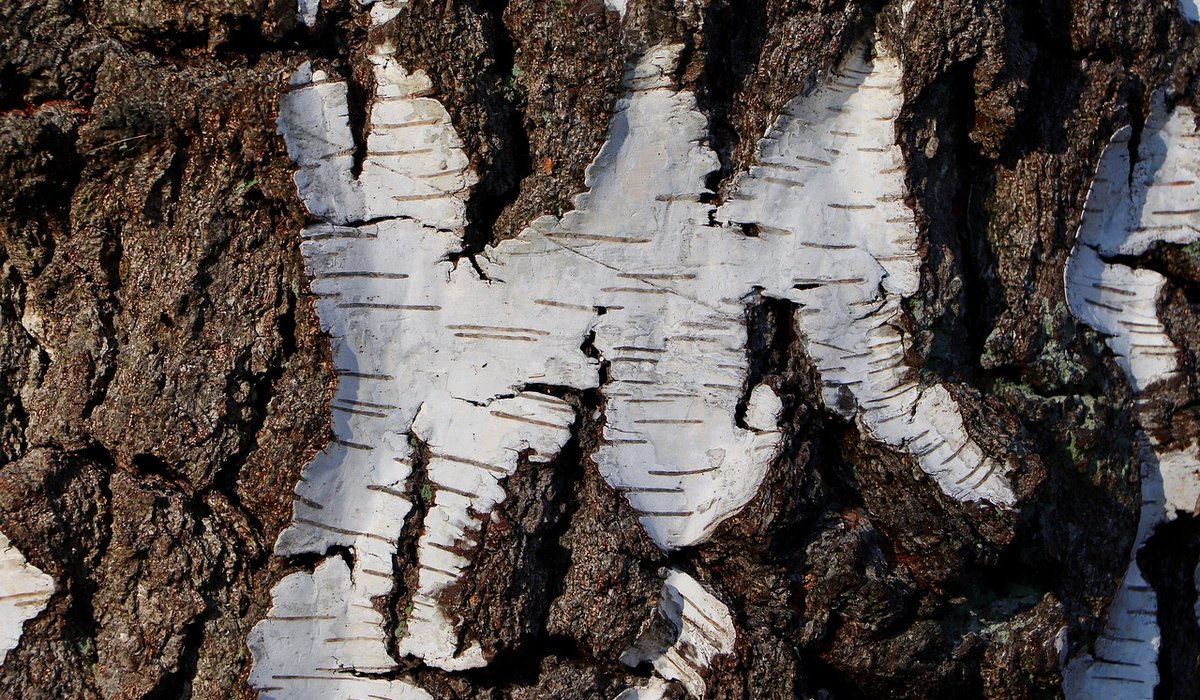
Do avoid silver birch and most pines on heavy clay; they will struggle and slowly fade, however tempting their bark looks in a garden centre.
Once your tree is in, the best thing you can do for clay is stay off it. Avoid walking on wet beds in winter, keep a permanent mulch of organic matter on the surface and let worms do the mixing for you. Add compost or leafmould each spring, and never dig the soil over deeply around established roots.
Do this and the clay slowly becomes something closer to a crumbly loam, dark and full of worms. Your hawthorn, field maple or rowan will reward you with blossom, berries and autumn colour for decades, on ground that many gardeners mistakenly write off as hopeless.

The Maplebirch An honest, everyday look at the things that make life a little better — with advice you can actually use.

The Maplebirch Simple, genuine and looked after with care — the kind of place worth returning to.

Bark chippings break down slowly and suppress weeds around trees and shrubs. Apply a layer of five to eight centimetres after watering.

Comments
ALina Kelian
19th May 2018 ReplyThe Maplebirch Simple, genuine and looked after with care — the kind of place worth returning to. ullamco laboris nisi ut aliquip ex ea commodo consequat.
Rlex Kelian
19th May 2018 ReplyThe Maplebirch Written for people who value the details, and want honest guidance they can trust. ullamco laboris nisi ut aliquip commodo.
Roboto Alex
21th May 2018 ReplyThe Maplebirch An honest, everyday look at the things that make life a little better — with advice you can actually use. ullamco laboris nisi ut aliquip ex ea commodo consequat.