

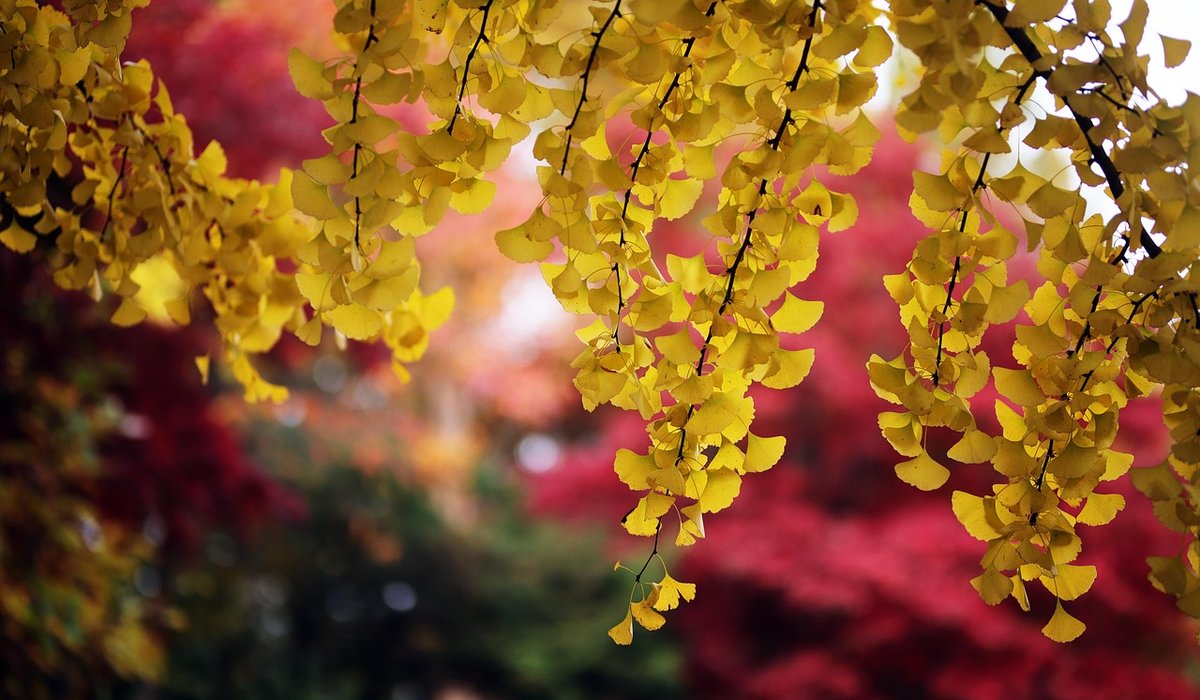
Field maple (Acer campestre) is the only maple native to Britain. It has grown in our hedgerows, woodlands, and field edges for thousands of years, long before sycamore arrived from Europe. For a beginner, it is one of the most rewarding native trees you can plant. It is compact enough for a modest garden, tough enough for exposed sites, and generous to wildlife. In autumn, its leaves turn a warm butter yellow, sometimes flushed with red, lighting up a border or a hedge line. Unlike many exotic maples, it does not need fussy care. It simply gets on with the job.
Field maple leaves are small, dark green, and have three to five rounded lobes. They sit in opposite pairs along the stem. In autumn, they shift to gold and yellow. The bark is grey-brown and develops shallow cracks with age. Young stems sometimes carry corky ridges, which is a useful clue. In spring, small greenish-yellow flowers appear, beloved by bees. By late summer, you will see winged seeds, called samaras, hanging in pairs. They are smaller than sycamore seeds and set in a straight line rather than a V shape. Do not confuse field maple with sycamore (Acer pseudoplatanus), which is not native and has larger, pointed leaves and much bigger seeds.
Field maple is remarkably adaptable. It grows well on chalky, clay, and loam soils, as long as they are moist but well-drained. It tolerates drought once established, but it dislikes sitting in waterlogged ground. It is happy in alkaline to slightly acidic soil. For the best autumn colour, plant it in full sun. It will cope with partial shade, but the display will be weaker. As a tree, allow eight to ten metres of canopy spread. As a hedge, plant it much closer. It also tolerates exposed and windy sites once its roots are settled.
Bare-root planting is best from November to March, while the tree is dormant. Container-grown trees can go in at any time if you water them well, but autumn is ideal. Dig a hole twice the width of the root ball and the same depth. Improve the soil with well-rotted manure or garden compost, but do not overfeed. Soak the roots before planting, then firm the soil gently around them. Water thoroughly. Mulch with bark or leaf mould, keeping it clear of the trunk. For a young tree in a windy spot, stake it for the first two years. Water regularly for the first two summers. If you are planting a hedge, use a double row with plants staggered 45 cm apart.
Field maple needs very little pruning to grow into a healthy, rounded tree. But it responds beautifully to cutting, which is why it is such a good hedge plant. When to prune: late autumn to midwinter is ideal. Avoid spring pruning when the sap is rising, as maples can bleed heavily. Light summer pruning is also fine. Formative pruning: for a young tree, remove dead, damaged, or crossing branches in winter. Choose a central leader if you want a single-stemmed tree. For a hedge, cut back to shape in late summer or early autumn, after nesting season. Field maple can be cut hard and will regenerate. What to avoid: never remove more than a third of the canopy in one go. Do not prune in late spring or early summer if you want to avoid stress and bleeding. With a little patience, you can keep a field maple as a small tree, a multi-stemmed specimen, or a dense hedge.
Field maple is a traditional hedgerow plant for good reason. Its dense growth makes excellent nesting cover for birds and shelter for small mammals. The leaves feed moth caterpillars, including the prominent moth. Aphids attracted to the tree provide food for ladybirds and blue tits. In autumn, the golden-yellow leaves are a quiet but reliable spectacle. The winged seeds are eaten by bullfinches and other finches. For a mixed native hedge, plant field maple alongside hawthorn, hazel, and blackthorn. In a small garden, a single field maple can be pruned as a large shrub or coppiced for colourful stems. Whether you give it a corner of the lawn or a place in a boundary hedge, field maple earns its keep. It asks little, gives much, and reminds you why native trees matter.

The Maplebirch An honest, everyday look at the things that make life a little better — with advice you can actually use.

The Maplebirch Simple, genuine and looked after with care — the kind of place worth returning to.

Look for cankers, dieback and leaf spots on ash, oak and horse chestnut. Early identification helps you manage infected trees responsibly.

Comments
ALina Kelian
19th May 2018 ReplyThe Maplebirch Simple, genuine and looked after with care — the kind of place worth returning to. ullamco laboris nisi ut aliquip ex ea commodo consequat.
Rlex Kelian
19th May 2018 ReplyThe Maplebirch Written for people who value the details, and want honest guidance they can trust. ullamco laboris nisi ut aliquip commodo.
Roboto Alex
21th May 2018 ReplyThe Maplebirch An honest, everyday look at the things that make life a little better — with advice you can actually use. ullamco laboris nisi ut aliquip ex ea commodo consequat.